Zverev-Shelton: Ben's forehand under scrutiny
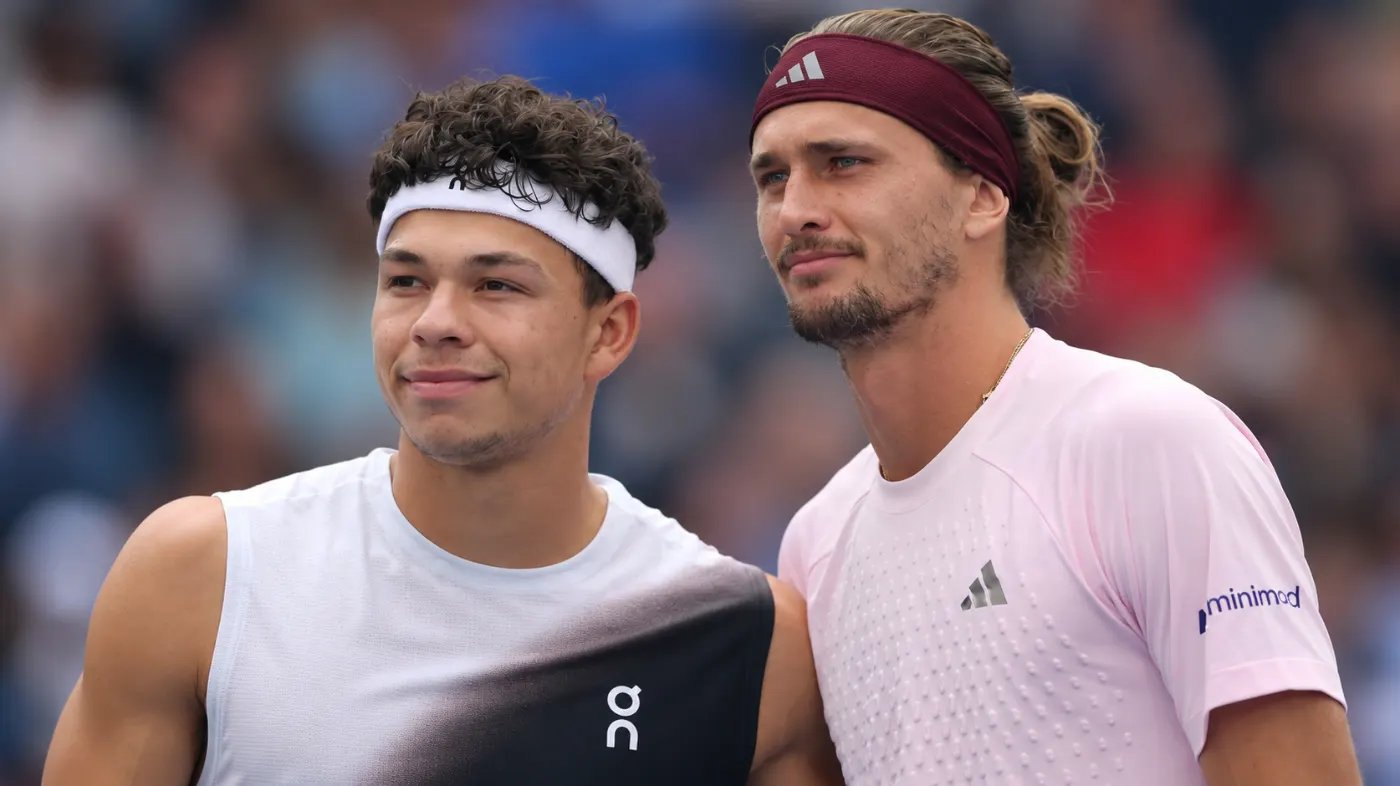
Alexander Zverev and Ben Shelton meet today, Tuesday, November 17, at 8:30 p.m. on the second day of round-robin play at the Nitto ATP Finals. Both won their openers, and the winner moves to two wins. The head-to-head stands at 6-0 for Zverev, and after the last two meetings Shelton pointed to the same shot as the cause of the loss, the forehand when attacking.
The shot after the serve
A year ago, in the Turin round-robin, Zverev won 6-3, 7-6 without facing a break point. Shelton won just 24% of the points on his second serve. In his press conference he dismissed the most obvious reading:
"I don't think it's the serve. I think it's what I do after the serve".
He said he had lost with his forehand, made too many errors on that side and pressed too hard in the tiebreak, where he was ahead and which Zverev closed out 8-6.
In September the US Open final repeated the diagnosis. Zverev won 6-3, 7-6, 5-7, 6-2 and Shelton finished with 47 winners and 47 unforced errors. After the match he explained that he had not been precise with his forehand when attacking.
The mechanism starts with Zverev's return. Shelton describes him as one of the best returners against the second serve, partly because of his long arms. When the return comes back deep, Shelton gets a neutral ball where he expected one to put away, and he forces it. Zverev, that night in Turin, had acknowledged that sometimes the points are more in Shelton's hands than in his opponent's.
The lefty's crosscourt goes to Zverev's backhand
A lefty's crosscourt forehand lands on a righty's backhand. For Shelton it is the natural diagonal. For Zverev it is the diagonal of his two-handed backhand.
After that final Zverev had won 45 of his last 46 matches against lefties. In Turin, in 2025, he had given a simple explanation. He grew up rallying with his brother Mischa, a lefty, got used to that kind of game and thinks it still helps him.
To get out of the diagonal, Shelton has to turn the forehand down the line, toward Zverev's forehand. It is a shot that goes over the higher part of the net and has less court to work with. It wins him points and it produces the errors. On Sunday Shelton beat Arthur Fils 6-2, 3-6, 6-3. Against Zverev the test is that very down-the-line shot.
The German's cushion on serve
The forehand error weighs so much because Shelton gets few chances on return. In the third set of the US Open final he earned his first break. On Sunday, against Rafael Jodar, Zverev won 6-4, 6-4 with 10 aces, saving two break points in the first set.
Shelton comes in from the Paris final, lost 7-6, 7-5 to Carlos Alcaraz. Zverev arrived at the Finals after a straight-sets loss to Lorenzo Musetti in Paris. In his opener there was no trace of it.
Zverev is the favorite, with a clear edge. He holds serve more consistently, gets the deep return back in play, and the kind of error that decided the last two meetings comes off the American's forehand. Expect a two-set match, decided by one break or by a tiebreak played on the first shot after the return. The prediction falls apart if Shelton keeps his unforced errors close to his winner count and finds the down-the-line forehand consistently. In that case Zverev's service games get longer and the lefty's serve is enough to take the match to a third set. The first indicator is Shelton's forehands at 30-30 and in the early return games. If they stay as loose as they were in New York, Zverev moves to two wins in the group.