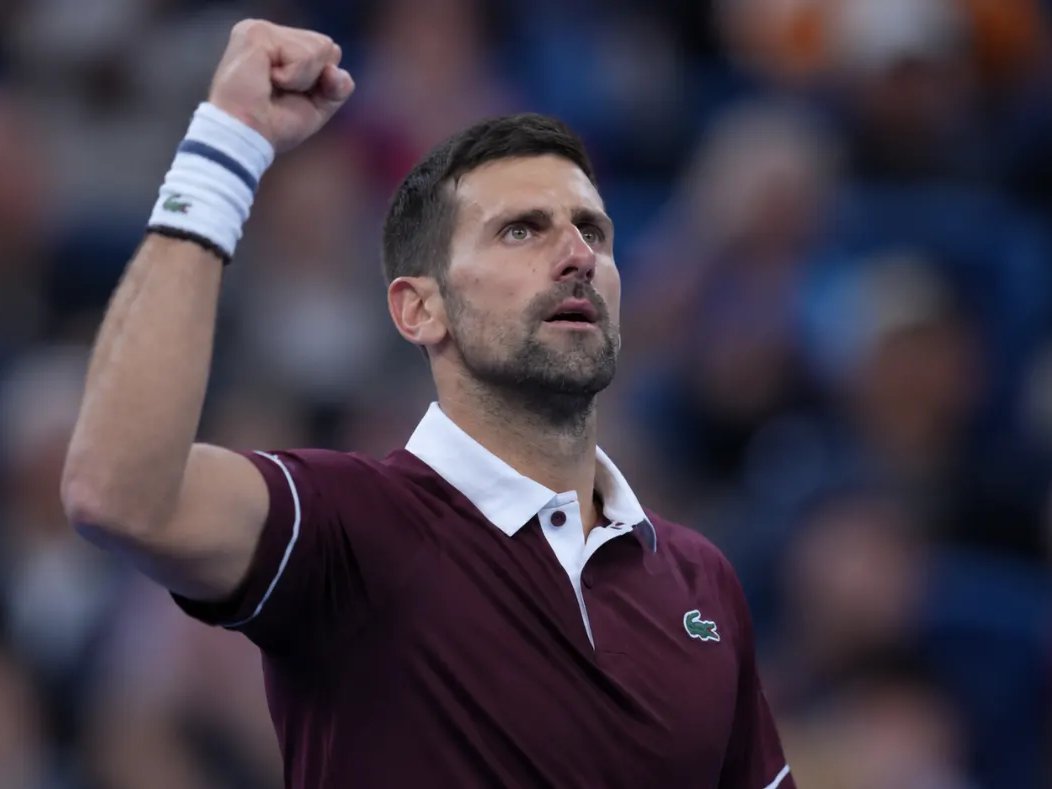
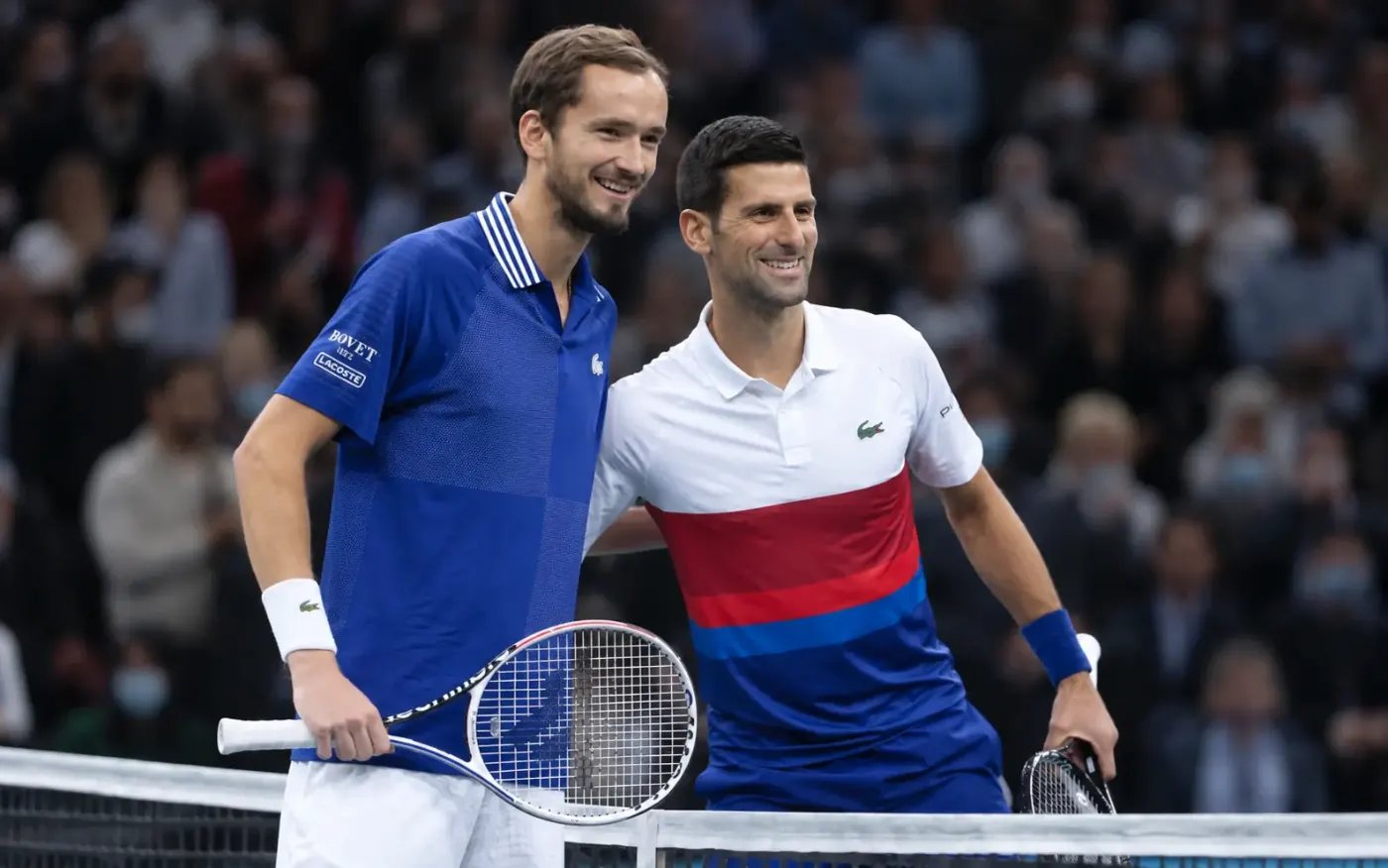
Djokovic-Medvedev: the clash, 3 years on
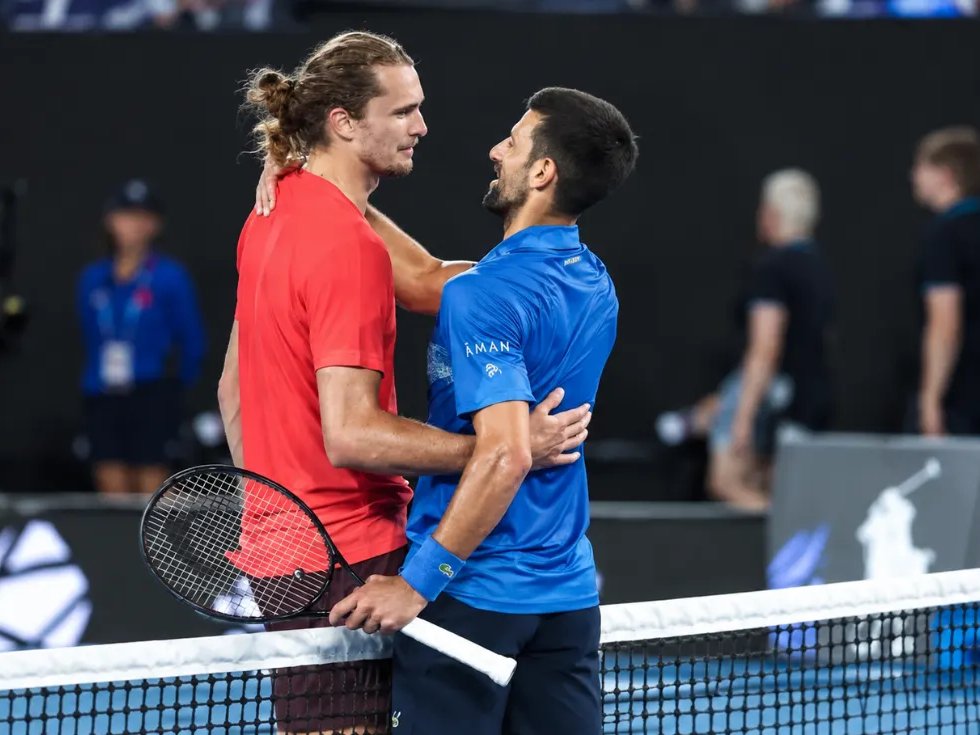
Novak Djokovic plays the China Open semifinal carrying an unprecedented record: 32-0 in Beijing since his first match here in 2009, one better than the 31-0 of Rafael Nadal at Roland Garros. Today, though, a different number matters more. On Sunday he beat Alexander Zverev 4-6, 6-4, 6-4 in two hours and thirty-four minutes, and twenty-four hours later he faces Daniil Medvedev, who has won seven matches in a row, dropping just one set along the way. At 39, and with the physical problems he has carried for months, that difference matters more than the head-to-head.
Seven quick wins against an uphill run
Medvedev has built the streak in the most economical way possible, almost every time. On September 29 he won Hangzhou, beating Andrey Rublev 7-5, 6-4 in 93 minutes, with 23 aces and two double faults. In Beijing he dispatched Jan-Lennard Struff 6-4, 6-3 and Francisco Cerundolo 7-6(4), 6-3 in an hour and forty minutes. Seven matches, fourteen sets won, only one lost. The only third set came in the Hangzhou quarterfinal against Coleman Wong, 6-3, 6-7(2), 6-3.
Djokovic's path has been the opposite. He came back from a set down against Bu Yunchaokete, then again against Zverev, and in the quarterfinal he faced the tournament's number one seed, who hit 19 aces and zero double faults. Djokovic won because he held 14 of 15 service games, not because he dominated the rallies.
Serve as a shortcut, and why Medvedev won't allow it
Against Zverev the plan was clear. 72% first serves in, but 82% of points won behind the first serve. When he serves like that, Djokovic holds his own service games at almost no cost and shifts all the effort onto his return games, where 2 out of 5 break points are enough to close things out.
Medvedev takes that shortcut away. He returns from several meters behind the baseline, gets body serves back in play, and builds the point by extending the rally, exactly the currency that Djokovic, given his current physical condition, can least afford to spend. On his own serve, the Russian is giving away nothing right now: 72% first serves and 79% of points won behind the first serve in the quarterfinal against Cerundolo, with a single double fault in the entire match.
If both hold at those levels, the semifinal comes down to tie-breaks. And a tie-break is decided by two or three returns landing in, which is Medvedev's terrain.
Three years since they last met
The head-to-head reads Djokovic 10-5, but their last meeting was the 2023 US Open final, won by the Serb 6-3, 7-6, 6-3. Medvedev's last win over him dates back to the Dubai semifinal in March 2023. Both have changed since then. Djokovic is 17-7 this season, ranked number 11, a finalist in Melbourne and a first-round exit in New York; Medvedev is back to winning titles and is playing his fourth consecutive semifinal in Beijing, eighth in the Race to Turin, with a spot at the Finals still to be secured.
That context explains why the head-to-head counts for little here. In the 2021 Australian Open final, Medvedev lost 7-5, 6-2, 6-2 to a Djokovic who held serve and controlled the baseline without ever ceding ground. The Djokovic of today wins matches like the one against Zverev, where three games played better than the rest are enough.
The prediction comes down to duration. Through the first two sets, Djokovic remains the better player, because he serves better and picks his moments to raise the tempo better. Past the two-hour mark, with a third set to play the day after another third set, the advantage shifts to Medvedev. The condition that would disprove this forecast is the Serb's first-serve percentage. Above 75%, more than he served on Sunday, he closes it out in two sets and the 33-0 arrives without argument. Below 65%, the match slides onto the terrain where Medvedev hasn't beaten him since March 2023.